Materials and finishes
Wood species and surface finishes, documented
Wood classification, moisture equilibrium, and finish type each change how a piece looks, wears, and needs care. This guide sets out the botanical and practical differences before you choose.
Species guide
Oak, teak, walnut, ash, and beech
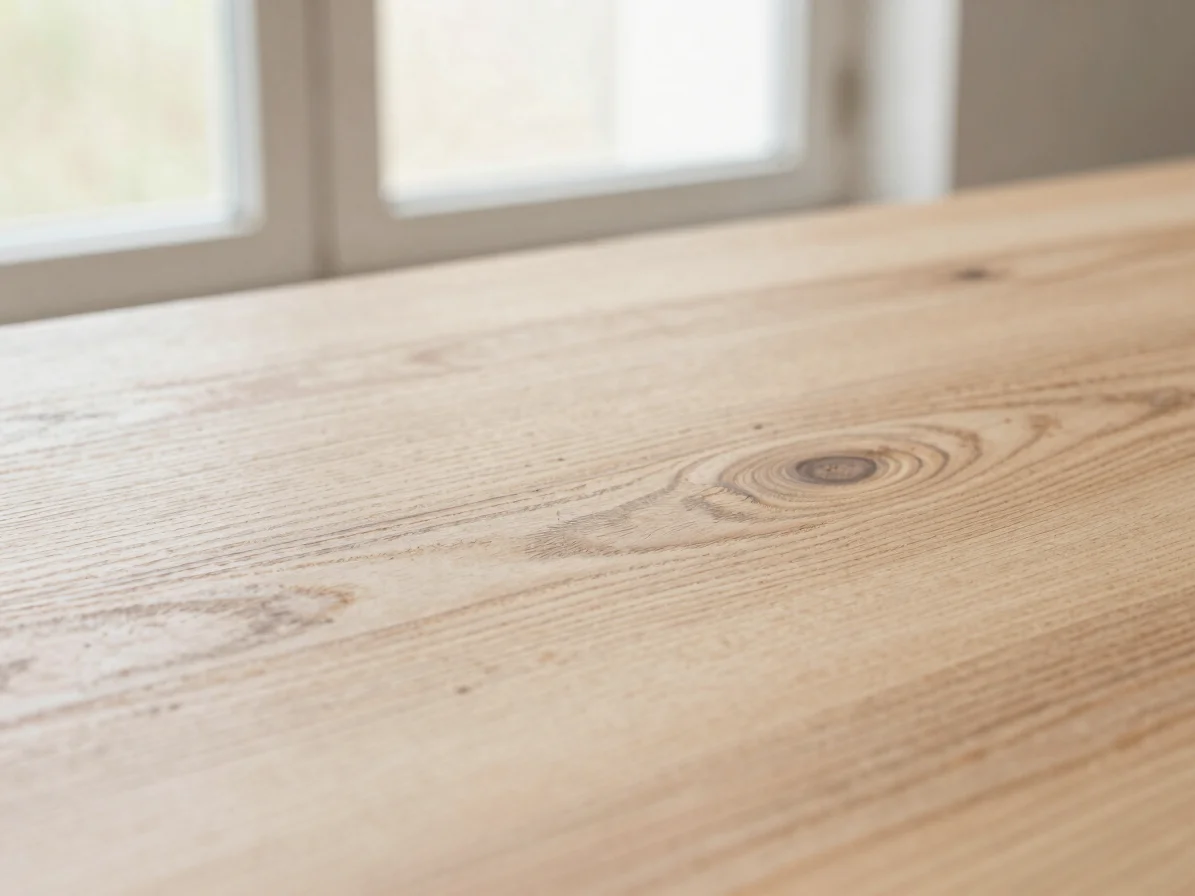
European oak
Dense ring structure, high tannin content
Oak has a dense, closed grain and a tannin content that reacts with iron and moisture. Its hardness makes it a durable choice for tables and cabinetry that take daily use.
Plantation teak
Natural oils that resist moisture
Teak contains natural oils that slow water absorption and help it hold its shape outdoors and in humid rooms. Its grain is straighter and more even than oak, with a golden-brown tone that deepens with age.
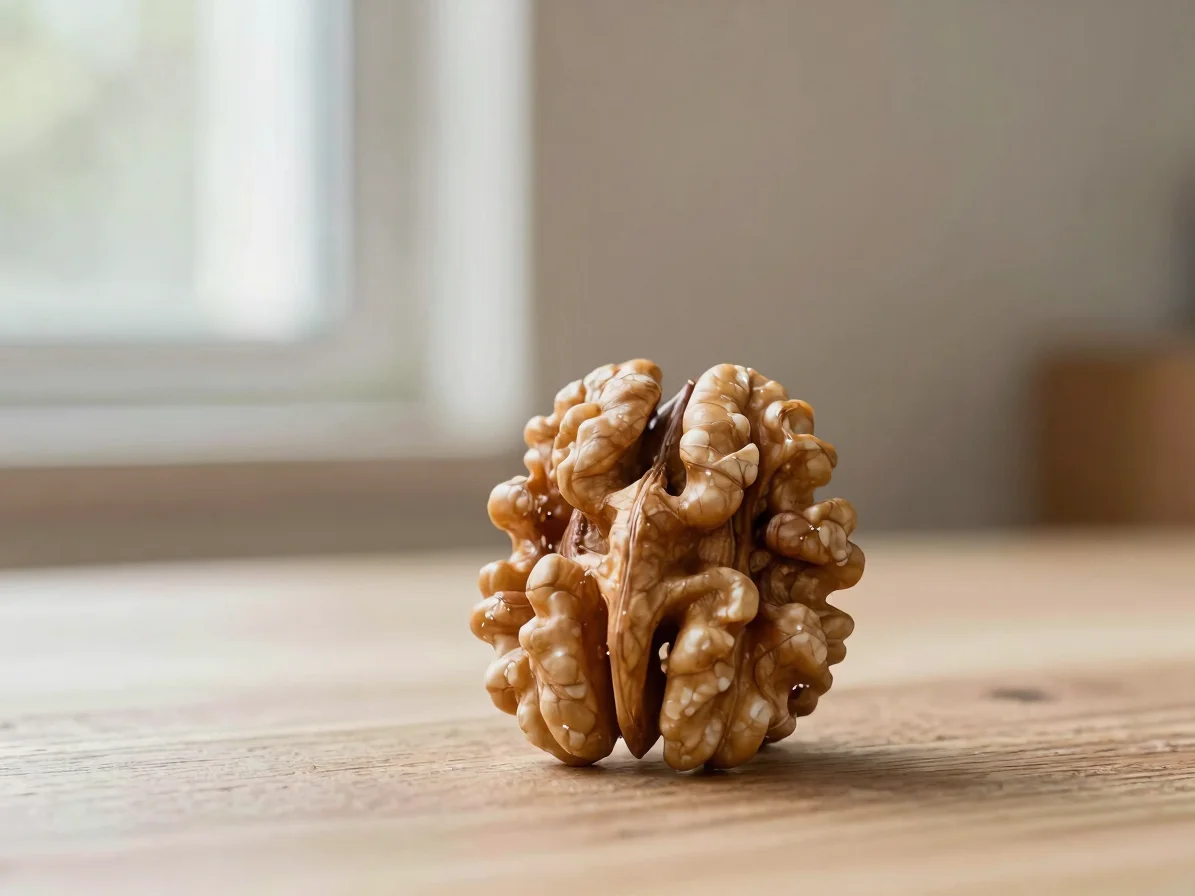
European walnut
Fine grain and a deep brown tone
Walnut is moderately hard with a fine, even grain and a rich chocolate colour. It machines cleanly and takes oil well, which suits cabinetry and tabletops that show their surface.
Ash and beech
Lighter woods with pronounced grain
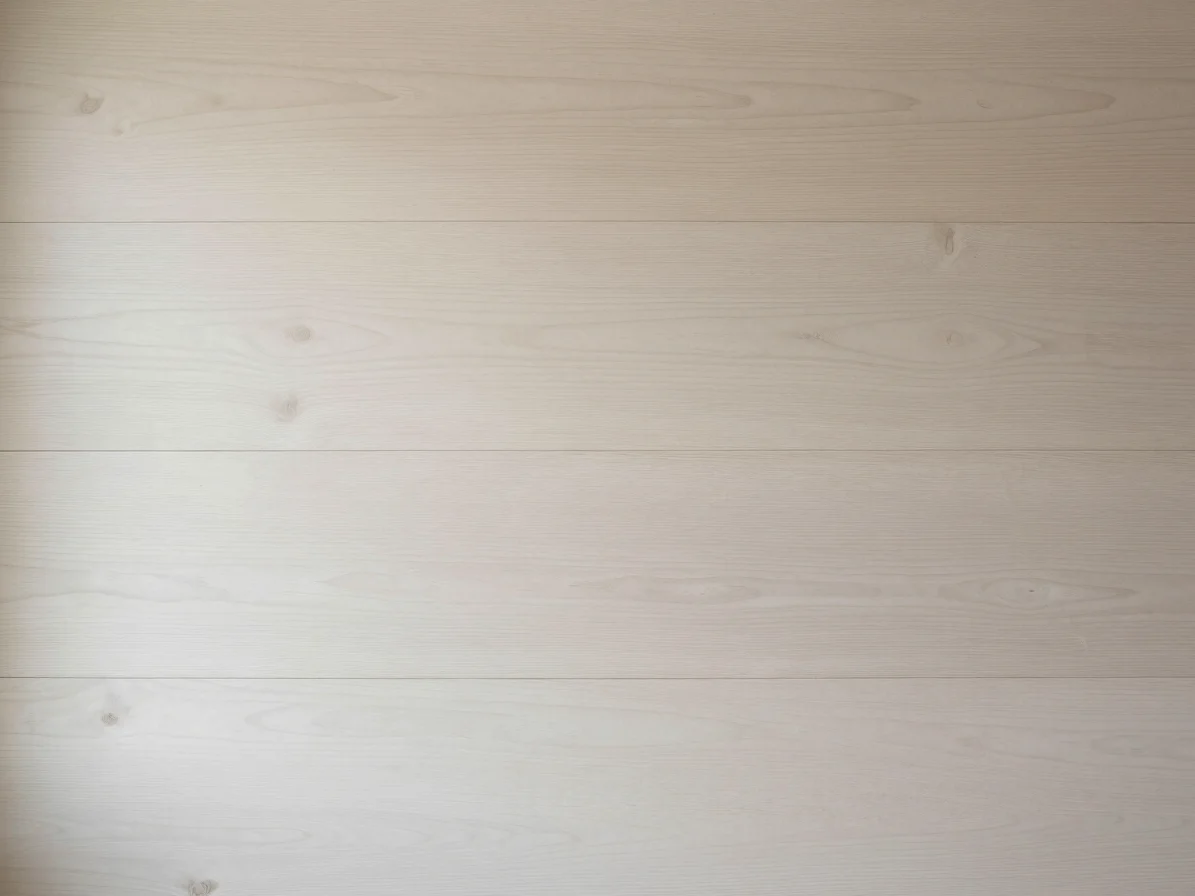
Ash is tough and elastic, often used for chairs, while beech is hard and fine-grained with a pale, warm tone. Both are lighter in colour and show wear differently from darker species.
Finishes compared
Oils, waxes, and waterborne coatings
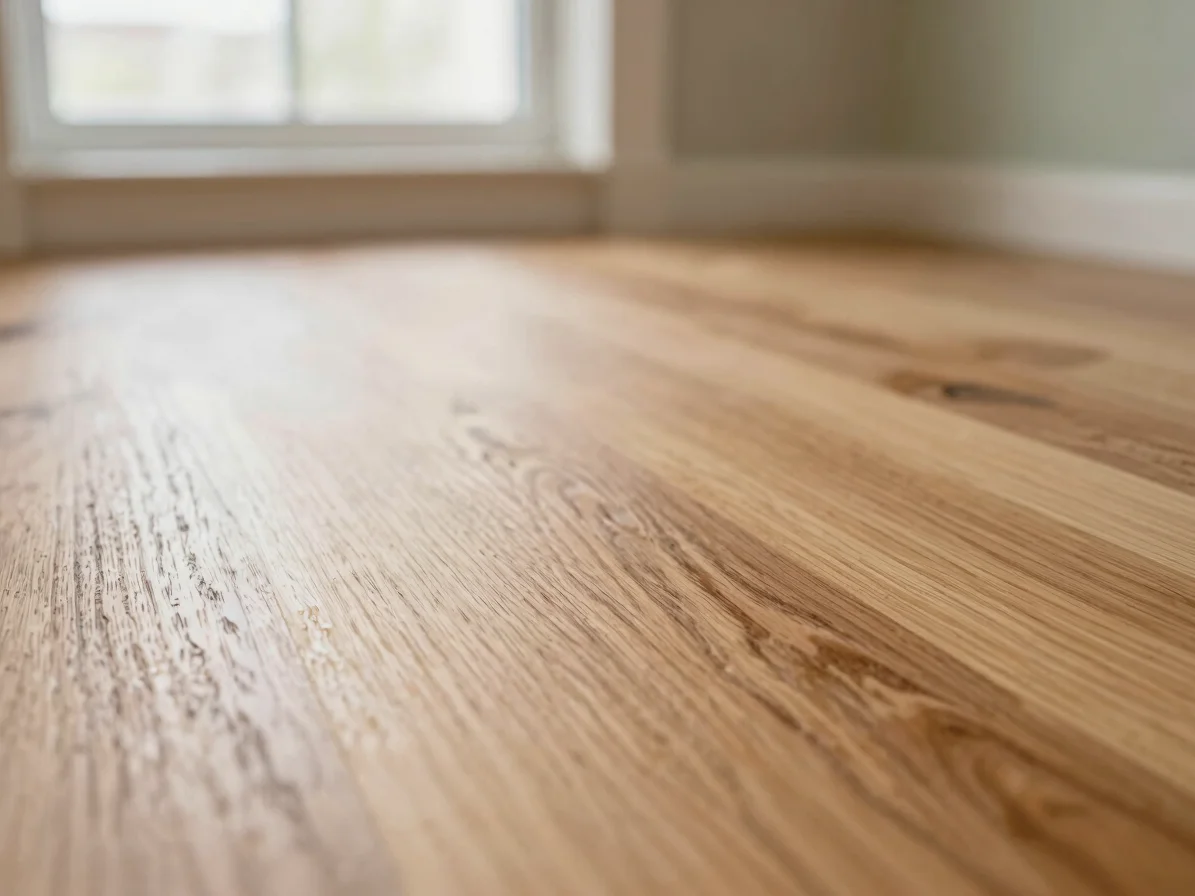
Penetrating natural oils let the raw tactile grain remain visible and feel warm under the hand, but they need regular renewal. Hard-wax oils seal the surface against moisture with a low, satin sheen and suit high-use tables.
Waterborne polyurethanes form a clear film with low odour and steady maintenance intervals. Mineral washes tint the wood lightly and leave a matte, chalky finish. Veneers on multi-ply cores offer stability, while solid timber can be resurfaced across decades.